



Hey there! Kathy here.
Why clients don’t return often has less to do with your results and more to do with how they feel. Clients rarely leave because you failed to deliver; they leave because they feel unseen. The truth is, even the best product, program, or service can’t make up for a lack of connection. When clients don’t feel valued or supported, they start to drift away quietly, long before you realize it’s happening.
As an organizational specialist, I’ve seen this pattern repeatedly with solopreneurs who are exceptional at what they do but often feel stretched too thin to nurture relationships consistently. The good news? You can fix this. In this blog post, we’ll uncover the real reasons clients don’t return, and how small, intentional shifts in your systems can turn one-time buyers into long-term, loyal customers.
“Clients don’t leave because of results…they leave because they feel unseen.”
– Kathy Schneider
Think about it, your program or service can be absolutely amazing, but if your clients feel ignored along the way, they won’t stick around. People remember how you make them feel more than the results you deliver. When communication fades after a purchase or there’s no follow-up to ensure they’re supported, it creates a gap in trust. And once that gap appears, it’s hard to rebuild.
This Week’s Afformation:
That’s why paying attention to why clients don’t come back matters so much. It’s not just about solving problems after they happen; it’s about creating systems that prevent them altogether. When you build intentional touchpoints, clear communication, and consistent follow-up into your client experience, you turn one-time transactions into lasting relationships.
Whether it’s improving your onboarding process, adding personal check-ins, or creating automated follow-ups that make clients feel seen and supported, these small efforts can lead to big wins in retention and referrals.
The Real Reason Clients Don’t Return
It’s not always the quality of your product or service that keeps clients coming back. Often, the real reason why clients don’t return is because they feel ignored or overlooked.
In this episode, I’ll share the engagement strategies and structured touchpoints that make your clients feel valued so they stick around.
*Strong client care is about more than delivering results – it’s about consistent, intentional interaction.
In this lesson, you’ll discover how to create clear communication channels, respond in a timely way, and set up structured touchpoints that build trust. When you shift your focus from “what” you deliver to “how” you care, you’ll understand exactly why clients don’t return and how to fix it.

How to Keep Clients Engaged and Coming Back
Let’s start by defining what engagement really means inside your course, program, or business. It’s not just about being available when someone reaches out; it’s about creating consistent, intentional interactions that make your clients feel supported and seen. When you have a clear plan for communication and follow-up, you create a client experience that builds trust, loyalty, and results.
Here’s How to Make This Happen:

Create Clear Communication Channels
Clients need to know exactly where and how to connect with you. Whether it’s a Facebook group, Kajabi community, Slack workspace, or regular Q&A sessions, the key is consistency. Choose the method that fits your style and, more importantly, one you’ll actually use and show up in for your clients.

Respond in a Timely Manner
Timely responses show clients that their time and questions matter. Answering quickly builds trust and keeps momentum high, while long delays can create doubt or frustration. Even if you can’t respond right away, set clear expectations so clients know when to expect a reply.

Build Structured Touchpoints
Don’t wait for clients to come to you – proactively reach out with updates, progress check-ins, or milestone celebrations. These small gestures can have a big impact on motivation and satisfaction. Structured touchpoints help clients feel supported throughout their journey, reducing drop-offs and increasing long-term loyalty.
Weekly Action Step
Now that you understand the real reasons why clients don’t come back, it’s time to put these ideas into practice. Consistent communication and intentional touchpoints don’t just improve the client experience; they also simplify your workflow and strengthen your systems.
An Action Item for your business:

I’d like to encourage you to consider the Weekly Action Step seriously. It is there to provide a lesson in this post and make it actionable. I’m here to support you on your journey toward peak productivity, helping you work smarter, not harder. With each weekly action step, you’ll build a new habit, refine your workflow, and unlock the full potential of your productivity.
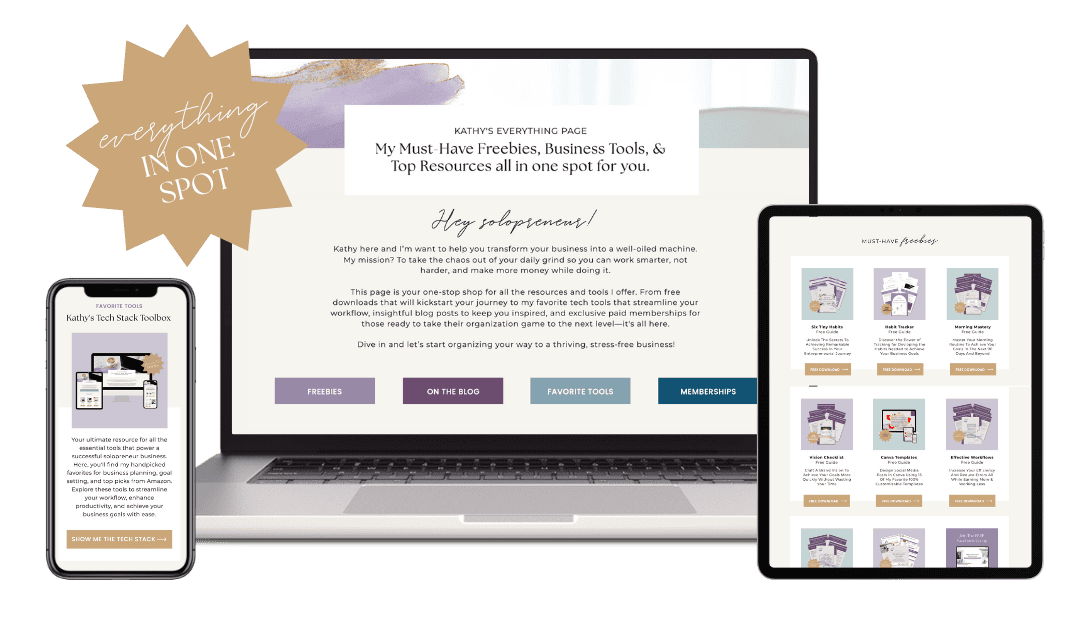
Must-Have Freebies, Business Tools, & Top Resources all in one spot for you.
My ‘Everything Page’ is your one-stop shop for everything from free downloads and essential tech tools to inspiring blog posts and exclusive memberships designed to elevate your organization skills.
Consider it your personalized roadmap to business success. Explore at your pace…everything you need to thrive is just a click away
Start organizing your way to a stress-free business
Closing Thoughts: Strengthening Loyalty Through Client Care
At the end of the day, understanding why clients don’t return isn’t about blame; it’s about building better systems and stronger relationships. When you prioritize communication, set clear expectations, and create structured touchpoints, you transform the client experience from transactional to relational. Clients who feel valued don’t just return; they refer, advocate, and help your business grow in ways marketing never could.
Helpful Resources:
- Why Client Care Beats More Marketing – KathySchneider.com/136